
Walking into the Harrow Meet The Buyer event on 20 November, Marie Wehrly and Denis Collen saw a room full of familiar faces. Not the individuals themselves, but the story behind them.
Owners juggling delivery with growth. Finance directors trying to stretch cashflow and capability at the same time. Teams who know they can add value to local projects, yet are still stuck on the outside of formal procurement processes.
A few hours earlier, we had been at Heathrow with the Fit To Bid® team, talking with SMEs about exactly the same challenge: how to move from “interested supplier” to “contract ready” in complex supply chains.
Harrow’s Fit To Bid and Meet The Buyer work is part of the same story. It is not simply a set of workshops. It is an opportunity to reset how local businesses show up to public sector and anchor institution buyers.
In this article, we want to share what we see as the real value of programmes like Fit To Bid, and how SMEs can make the most of them in Harrow and across West London.
What Fit To Bid is really solving

If you run or lead an SME, you already know you are competing on more than price. Buyers are looking for suppliers who can demonstrate compliance, social value, resilience, and a clear fit with their strategic priorities.
The gap is rarely talent or effort. It is usually:
- Limited visibility of upcoming opportunities.
- Uncertainty about how bids are evaluated.
- Weak evidence of impact, even when good work is being done.
- Tenders that feel like a one-off scramble instead of part of a pipeline.
Fit To Bid was designed to tackle exactly these issues. It combines an initial bid capability assessment with specialist workshops and 1:1 tender advice, focused on helping local SMEs win more contracts with councils, construction projects, infrastructure programmes and other large buyers.
In Harrow, that sits within a fully funded package of support that includes masterclasses, online workshops, 1 to 1 advice, and Meet The Buyer events, delivered with Branduin Business Support in partnership with the Harrow Council.
In other words, this is not just “procurement training”. It is a supply chain strategy at the local level.
2. From event to operating model

The risk with any good programme is treating it as a one-off experience. You attend a few webinars, speak to buyers at a Meet The Buyer afternoon, collect some business cards, then go back to business as usual. In my work on PMO and transformation, I see the same pattern inside large organisations.
A good initiative gets launched, leaders are enthusiastic for a while, then the energy fades because it is not built into how the organisation operates. SMEs can fall into a similar trap. To get full value from Harrow’s Fit To Bid offer, I would encourage three shifts in mindset.
1. Building a bid pipeline

Fit To Bid starts with an honest assessment of your bid capability. Use that as the foundation for a simple pipeline view:
- What types of contracts are genuinely right for you in the next 12 to 24 months?
- Which buyers are a strategic fit, based on sector, geography and social value?
- Where are your gaps in compliance, evidence and capacity?
Harrow’s Supply Ready programme includes the chance to enrol on a digital database so you can be considered for future council and major contractor opportunities.
That database only works for you if you are clear on your own growth story and the types of contracts you are ready to deliver. A pipeline mindset helps you say no to the wrong tenders and focus effort where you can genuinely add value.
2. Bids that execute
Fit To Bid starts with an honest assessment of your bid capability. Use that as the foundation for a simple pipeline view:
- What types of contracts are genuinely right for you in the next 12 to 24 months?
- Which buyers are a strategic fit, based on sector, geography and social value?
- Where are your gaps in compliance, evidence and capacity?
Harrow’s Supply Ready programme includes the chance to enrol on a digital database so you can be considered for future council and major contractor opportunities.
That database only works for you if you are clear on your own growth story and the types of contracts you are ready to deliver. A pipeline mindset helps you say no to the wrong tenders and focus effort where you can genuinely add value.
3. Partner in a local ecosystem
Programmes like Harrow’s Fit To Bid and Supply Ready do not exist in isolation. They sit alongside similar initiatives in Ealing, Wandsworth and other boroughs, all focused on strengthening local supply chains and connecting SMEs to “anchor institutions” such as councils, airports like Heathrow, universities and major developers.
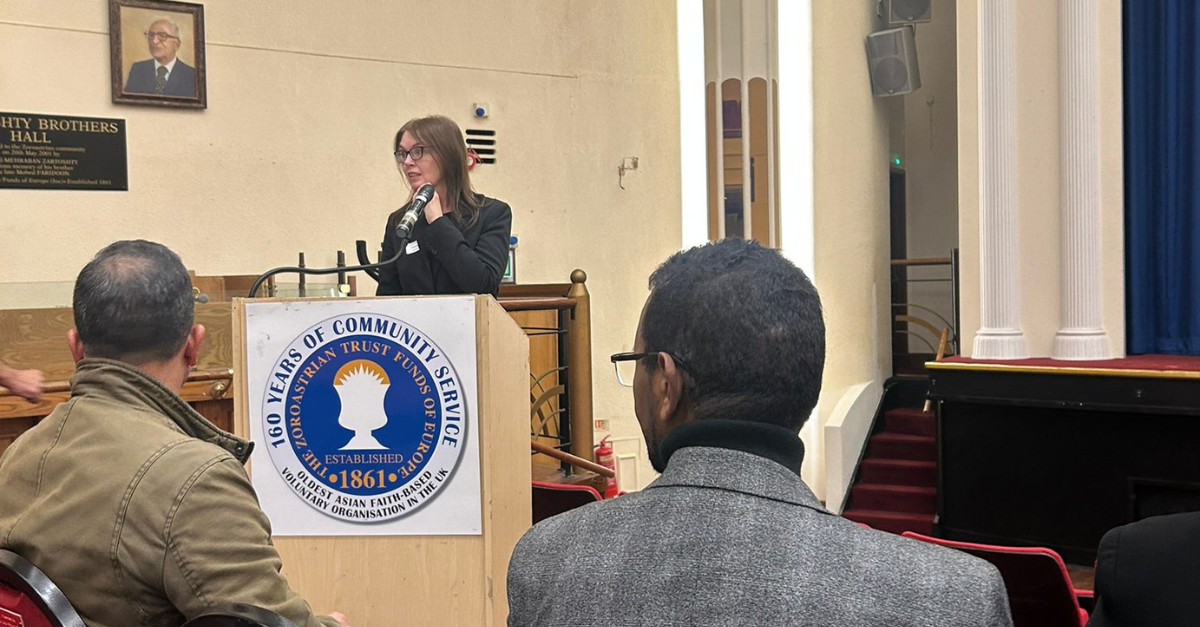
Harrow’s Meet The Buyer event brought together procurement teams, housing, NHS and Tier 1 and Tier 2 contractors in the same room.
That is an opportunity to see beyond your own organisation and ask:
- Where can we collaborate with other local SMEs to deliver a stronger offer together?
- How can we align with Harrow’s wider growth and regeneration objectives?
- What does a long term relationship with a buyer look like, not just a single contract?
This is where business advisors like Tracey James and partners such as Branduin Business Support add huge value, connecting the dots between programmes, buyers and local businesses in a practical way.
Lessons from Heathrow: same principles, different runway

At Heathrow’s SME Academy, Fit To Bid forms part of a structured series of workshops for suppliers who want to engage with the airport and its wider ecosystem. Topics range from evaluating your tender business model to designing services that fit major procurement frameworks.
The context is different, but the principles are identical:
- Understand the buyer’s world. Be honest about your capacity and capability.
- Invest in bid skills as a core business function, not an occasional task.
- Build relationships before, during and after formal tender processes.
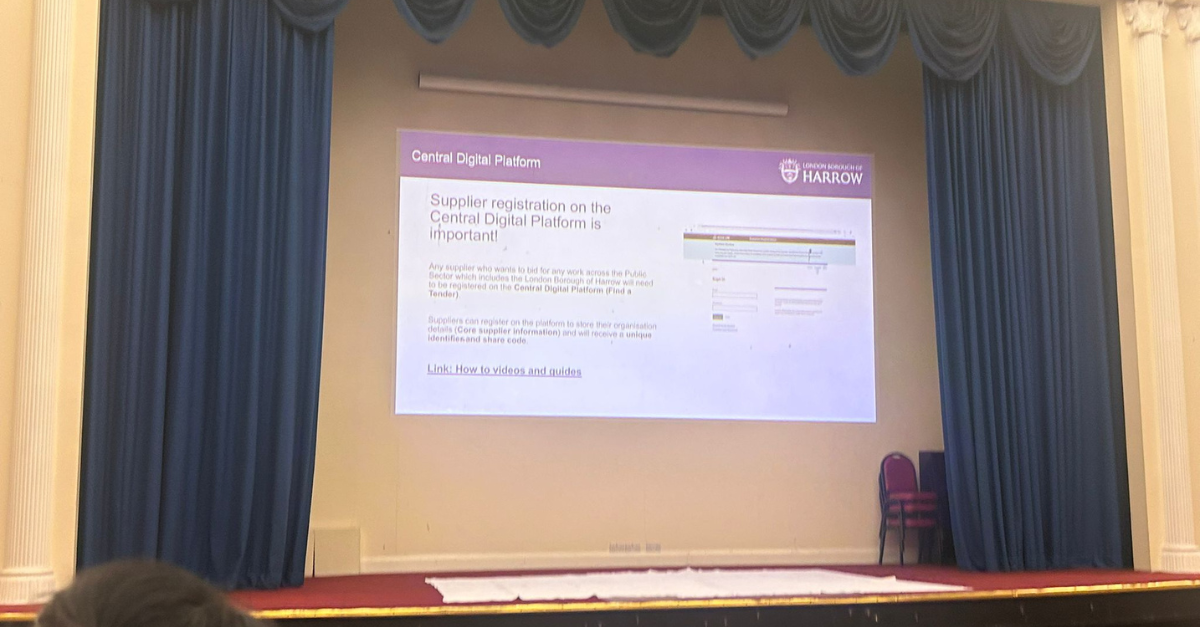
For me, the connection between Heathrow and Harrow is clear. When local authorities and anchor institutions take supplier development seriously, and when SMEs commit to doing the work, you see a stronger, more resilient local economy. Contracts stay local for longer. Skills and jobs develop in the community. Social value becomes something you can point to, not just a line in a policy.
Three questions for SMEs after Harrow’s Meet The Buyer
If you attended the Harrow Meet The Buyer event, or if you are considering joining the broader Fit To Bid journey, here’s three questions you should begin thinking about:
- What did you learn about how buyers see risk, value and delivery that you can feed straight into your next bid?
- Which relationships started in that room need a follow up meeting within the next two weeks and what is the clear next step you want to agree?
- What one internal change will you make so that bid readiness becomes part of your operating model, not just something you do when a deadline appears?
As someone who has spent over three decades building PMOs, leading transformation and working across both corporate and community settings, I see programmes like Harrow’s Fit To Bid as a genuine lever for change. They give SMEs the structure, language and confidence to sit at the same table as major buyers, on equal terms.
If you are a local business owner in Harrow or West London and want to reflect on how to turn this kind of support into a repeatable strategy, I am always happy to connect for a conversation.
Local growth is not an abstract policy goal. It is built contract by contract, partnership by partnership, street by street. Fit To Bid gives us a better way to do that together.
Let’s connect – mad4.org/connect


